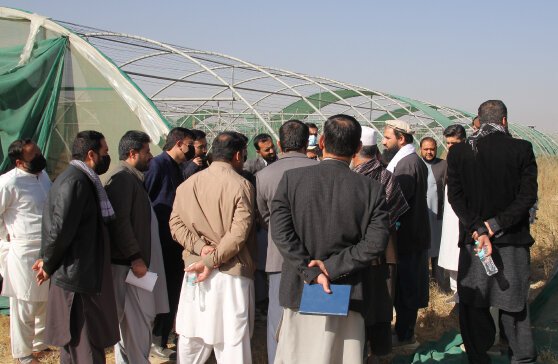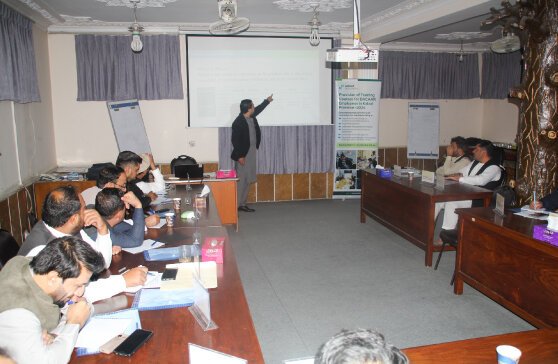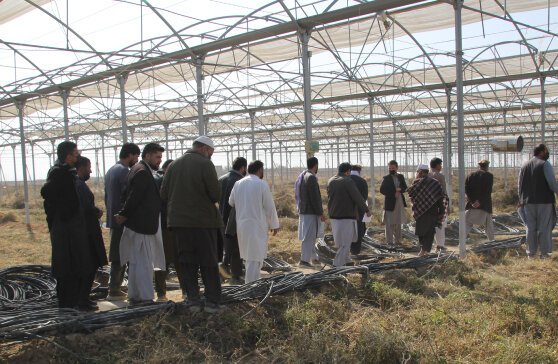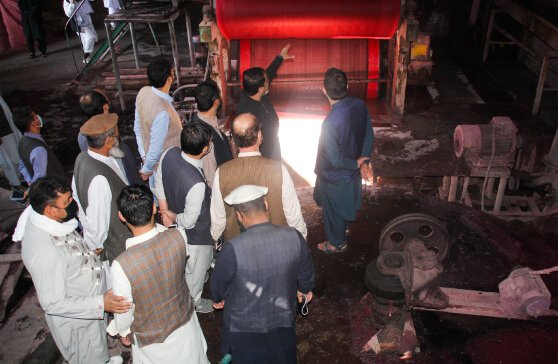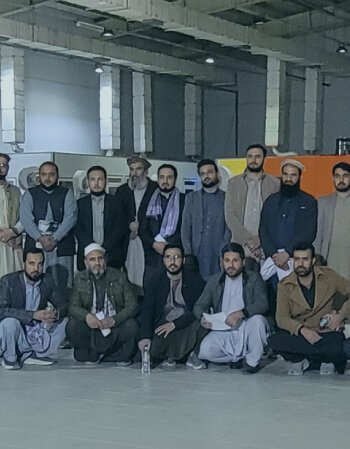
Adroit Associates designed and delivered a specialized Infrastructure, Environment & Climate Advisory Training Series to strengthen the technical capacity of professionals working across infrastructure, water, environmental, and climate-sensitive sectors. The initiative focused on building practical competencies in Environmental and Social Impact Assessment (ESIA), Solid Waste Management (SWM), climate adaptation technologies, and the impacts of climate change on environmental and water systems.
The training series was developed to bridge operational and technical gaps through applied learning approaches tailored to real-world humanitarian and development challenges in Afghanistan. Emphasis was placed on regulatory compliance, environmental safeguards, infrastructure sustainability, and practical risk mitigation measures relevant to field implementation.
Infrastructure and development interventions in Afghanistan increasingly face environmental, climate, and operational risks that require technically skilled professionals capable of integrating safeguards, resilience measures, and sustainable engineering practices into project design and implementation.
Organizations implementing infrastructure, WASH, natural resource management, and agricultural programs require specialized expertise to address emerging environmental challenges, including water scarcity, climate-related disruptions, environmental degradation, and increasing regulatory requirements.
This training series was developed to strengthen professional competencies in areas critical to infrastructure planning and environmental management. The program covered six interconnected technical themes: Environmental and Social Impact Assessment (ESIA), Climate Change Adaptation Technologies in Agriculture and Water Sectors, Impacts of Climate Change on Environment and Water Systems, Solid Waste Management Techniques, Project Management, and Leadership & Management. These thematic areas were selected to support stronger technical decision-making and sustainable infrastructure outcomes.
The initiative emphasized context-specific technical learning using Afghanistan-focused case studies and practical examples relevant to infrastructure, environmental safeguards, and water system management.
Project Objectives
The advisory training series aimed to strengthen technical knowledge and practical skills required for environmentally responsible infrastructure planning and climate-sensitive programming.
Key objectives included enhancing competencies in Environmental and Social Impact Assessment (ESIA), strengthening understanding of climate impacts on environmental and water systems, improving solid waste management practices, and increasing awareness of climate adaptation technologies relevant to agriculture and water sectors.
The initiative also focused on improving project planning and leadership capabilities to support effective implementation, risk management, and compliance with donor and international environmental standards. Customized learning approaches, simulations, and practical exercises were incorporated to ensure applicability within operational environments.
Methodological Approach
Adroit Associates implemented a participatory and practice-oriented training methodology structured through a phased approach to ensure technical relevance and practical application.
The process began with a detailed needs assessment, including review of existing technical requirements, consultation with sector teams, and identification of priority knowledge gaps in environmental compliance, climate resilience, water systems, and infrastructure management.
Customized multilingual training manuals were developed and contextualized for Afghanistan’s operating environment. Content integrated infrastructure-related case studies, environmental risk assessment tools, water resource management examples, and technical guidance on safeguards compliance. Materials were provided in English, Dari, and Pashto to maximize accessibility and practical application.
Training delivery combined technical presentations with simulations, practical exercises, case studies, stakeholder engagement scenarios, and applied problem-solving exercises. Participants engaged in environmental screening exercises, climate adaptation scenarios, ESIA simulations, and waste management planning exercises designed to strengthen field-level decision-making capacity.
The series also integrated pre- and post-assessments, daily evaluations, and practical assignments to measure learning outcomes and reinforce long-term technical retention.
Impact and Strategic Significance
The Infrastructure, Environment & Climate Advisory Training Series strengthened professional capacity to integrate environmental safeguards, climate adaptation, and sustainable infrastructure principles into development programming.
The initiative improved technical understanding of ESIA processes, climate risks affecting water and environmental systems, and sustainable solid waste management approaches. By combining technical theory with practical simulations and field-relevant examples, the training enhanced participants’ ability to assess risks, develop mitigation strategies, and support environmentally responsible project implementation.
The inclusion of project management and leadership components reinforced organizational readiness to manage multidisciplinary infrastructure and environmental initiatives more effectively. Training content aligned with international environmental standards and donor requirements, supporting stronger compliance and more resilient project outcomes.
This assignment demonstrates Adroit Associates’ expertise in delivering engineering and infrastructure advisory services that combine technical excellence, contextual understanding, and applied learning to strengthen institutional and sectoral capacities in fragile environments.