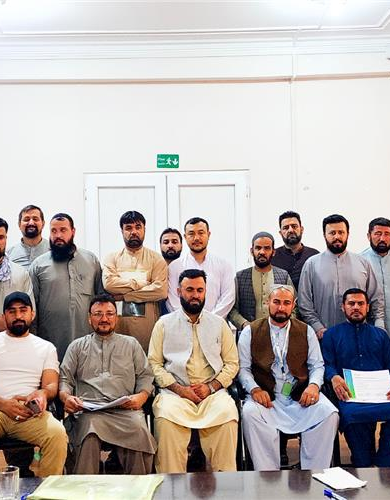
Adroit Associates, in partnership with Welthungerhilfe (WHH), implemented a comprehensive Mental Health and Psychosocial Support (MHPSS) Training and Group Counselling Program for WHH staff in Afghanistan. Conducted across four provinces Kabul, Samangan, Jawzjan, Balkh (Mazar-e-Sharif), the training strengthened resilience among 82 WHH staff members helping them manage stress, build peer-support networks, and practice psychological first aid. With a 41% average knowledge increase, the program demonstrated how targeted psychosocial training can significantly improve staff well-being and organizational capacity in fragile contexts.
Welthungerhilfe (WHH), one of Germany’s largest private aid organizations, has been working unconditionally in Afghanistan since 1982, with its first offices opened in 1992. Politically independent and non-denominational, WHH focuses globally on achieving Sustainable Development Goal 2: Zero Hunger by 2030. In Afghanistan, its main areas of intervention include food and nutrition security, rural and regional development, and supporting vulnerable populations to restore and sustain their livelihoods.
As part of the EU-supported Faragiri Project, WHH commissioned Adroit Associates to design and deliver a specialized Mental Health and Psychosocial Support (MHPSS) training and group counseling program tailored for WHH staff. This initiative recognized the psychological challenges staff face while working in fragile and uncertain contexts and aimed to strengthen their resilience, well-being, and interpersonal skills.
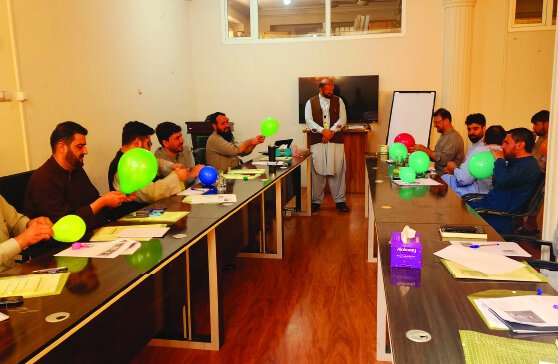
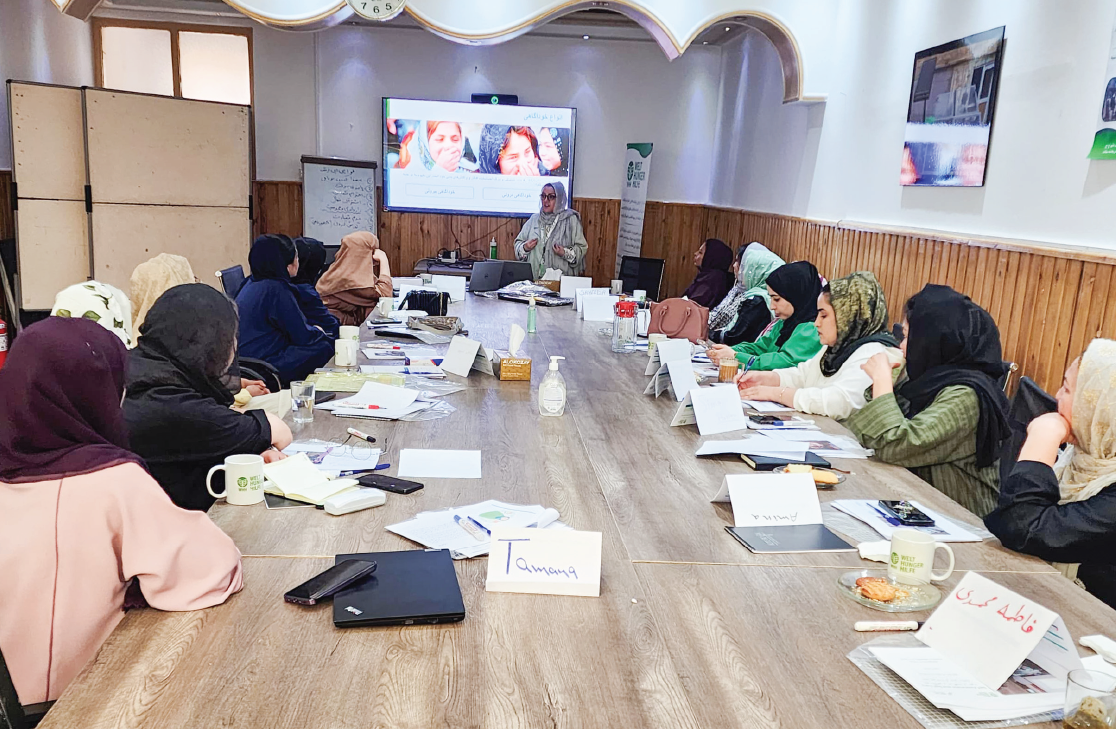
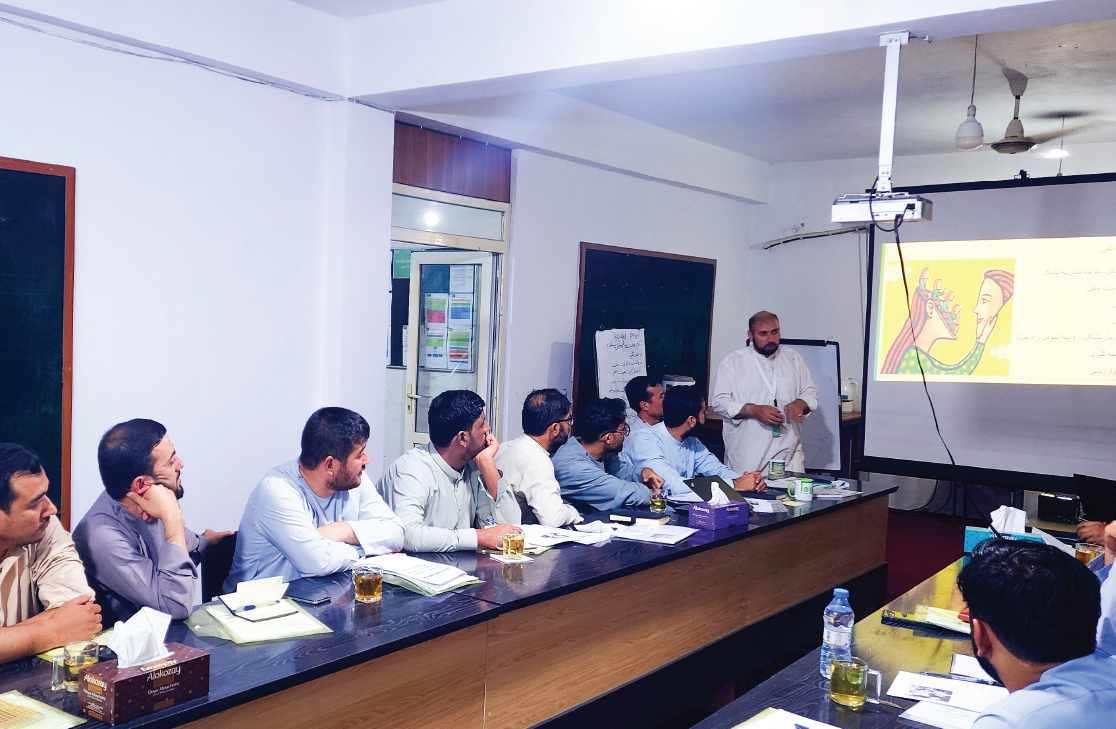
The program targeted 82 WHH staff (19 female staff in Kabul and 63 male staff across Samangan, Jawzjan, and Balkh). Using a standardized three-day curriculum, participants engaged in modules on self-awareness, stress management, interpersonal communication, and conflict resolution. Through participatory approaches such as role-plays, guided relaxation, and group discussions, staff developed practical skills to:
- Identify and manage psychosocial stressors.
- Apply Psychological First Aid (PFA) and trauma-informed care.
- Strengthen peer-support mechanisms within their teams.
- Foster safe spaces for dialogue and conflict resolution.
By combining technical expertise with cultural sensitivity, the training contributed to enhancing WHH’s staff capacity to maintain psychosocial well-being and sustain effectiveness in their organizational roles.
Project Goals/Objectives
The training aimed to equip WHH staff with essential MHPSS knowledge and tools. Specific objectives included:
- Enhance Knowledge – Build understanding of MHPSS principles and their relevance to humanitarian contexts.
- Strengthen Skills – Develop competencies in stress management, psychological first aid, active listening, and trauma-sensitive communication.
- Promote Practical Application – Support participants in designing and implementing community-based psychosocial interventions.
- Standardize Support Mechanisms – Establish referral pathways and peer-support practices to sustain well-being initiatives.
Our Approach & Methodology
Adroit Associates delivered the training using a blend of participatory and experiential learning techniques, ensuring both conceptual clarity and practical application. The approach included:
- Interactive Modules – Brainstorming, storytelling, role play, and guided imagination exercises.
- Group Counselling – Safe spaces for peer-to-peer dialogue, experience sharing, and collective stress management.
- Cultural & Gender Sensitivity – Female-only sessions in Kabul, gender-sensitive facilitation, and adaptation to local contexts.
- Rigorous Evaluation – Pre- and post-tests measured knowledge gain, with average scores increasing from 53% to 94%.
- Feedback Loops – Real-time participant feedback shaped delivery, ensuring training content remained relevant and responsive.
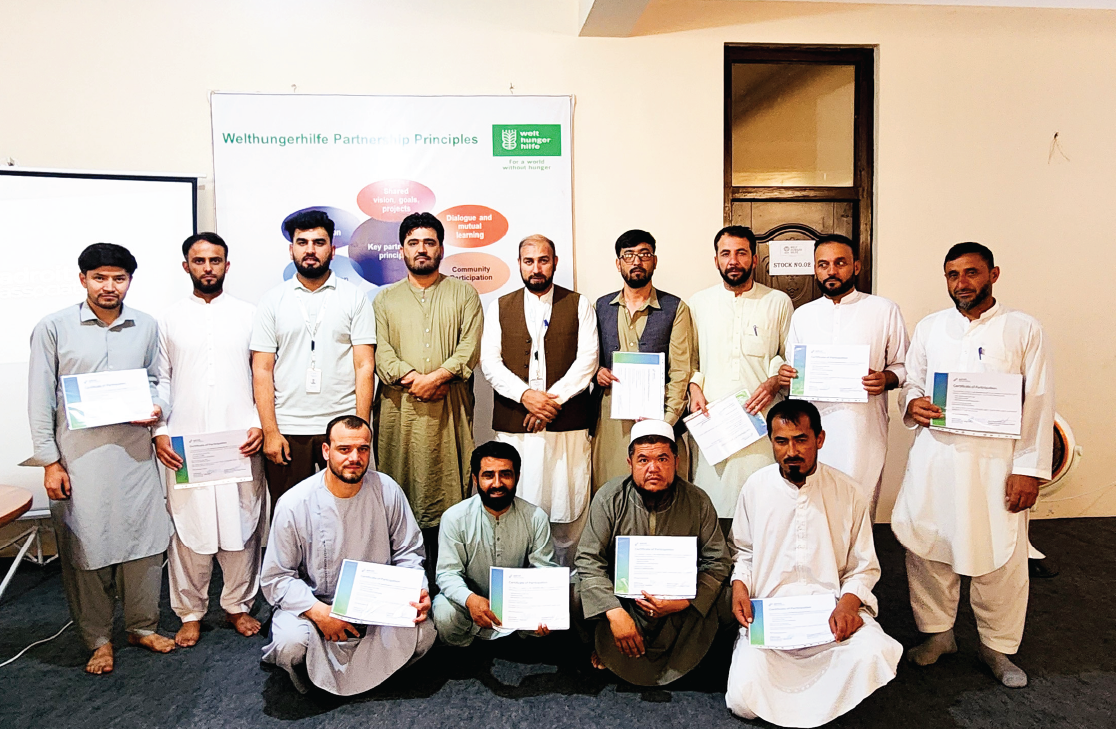
Certificates of completion were awarded to participants, with 20 requesting follow-ups individual counselling sessions, highlighting demand for continued support.
Impact and Significance
The MHPSS training had both immediate and long-term impact:
- 41% Knowledge Increase – Significant gains across all provinces (Kabul +32%, Samangan +35%, Jawzjan +48%, Balkh +46%).
- High Satisfaction – 92% of participants reported being “satisfied” or “very satisfied” with the training content, delivery, and relevance.
- Resilient Workforce – Participants expressed readiness to apply skills in daily work and community settings.
- Demand for Continuation – Staff called for extended training durations and regular psychosocial support programs.
This initiative underscores Adroit Associates’ ability to design and deliver evidence-based, culturally attuned capacity building programs in fragile environments, enhancing not only staff well-being but also organizational resilience in Afghanistan.