
Adroit Associates conducted an independent endline evaluation of the Opportunities for Mainstreaming Inclusive Development (OMID) Project, implemented by Aga Khan Foundation Afghanistan with funding from the European Union. The evaluation assessed the project’s overall performance, effectiveness, impact, and sustainability across eight provinces, examining how integrated livelihood and governance interventions contributed to strengthened household resilience and inclusive rural development.
The study generated statistically representative and methodologically rigorous evidence to inform future resilience programming, institutional strengthening efforts, and long-term development strategies in fragile contexts.
Afghanistan’s prolonged economic instability, environmental shocks, and weakened governance systems have placed persistent pressure on rural livelihoods. Agriculture, livestock, and natural resources remain central to household survival, yet these sectors face recurring drought, infrastructure gaps, market access constraints, and resource degradation.
OMID was designed to address these vulnerabilities through an integrated model that combined livelihood recovery, Community-Based Natural Resource Management (CBNRM), participatory governance mechanisms, and economic inclusion initiatives. The project supported communities through agricultural inputs, irrigation rehabilitation, orchard development, greenhouse and livestock assistance, vocational skills training, Community-Based Savings Groups (CBSGs), and conflict-resolution platforms.
The endline evaluation measured progress against baseline benchmarks and logical framework targets while assessing whether these interventions produced durable economic gains, functional local institutions, improved social cohesion, and sustainable resilience outcomes.
Project Goals/Objectives
The evaluation aimed to measure outcome-level progress in livelihoods, resilience, and natural resource governance while assessing the effectiveness and long-term sustainability of project interventions. Particular emphasis was placed on understanding income diversification patterns, productivity gains, coping strategies during shocks, institutional performance of CBSGs and Community-Based Institutions (CBIs), and improvements in women’s participation and economic engagement.
In addition, the evaluation analyzed the extent to which OMID strengthened participatory governance structures, reduced local conflicts related to natural resources, and embedded inclusive decision-making mechanisms within communities.
Our Approach & Methodology
Adroit Associates implemented a mixed-method endline evaluation integrating quantitative precision with qualitative depth.
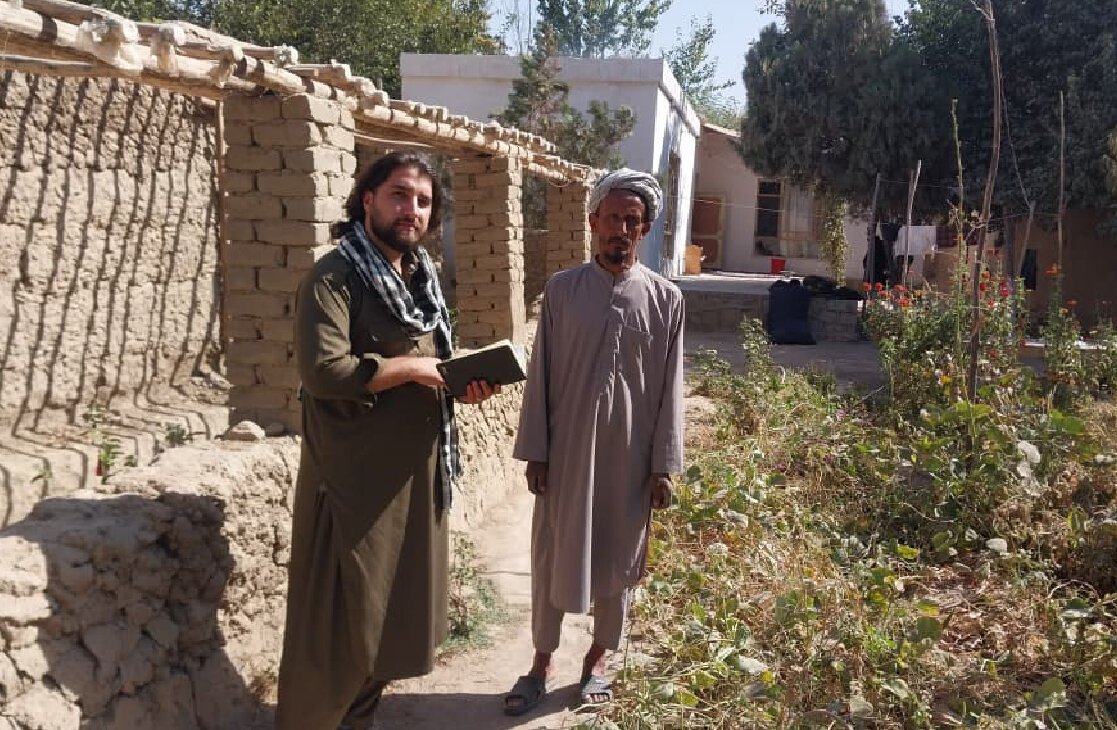
A stratified two-stage cluster sampling design was applied to conduct 2,674 household interviews across 39 districts and 244 villages in Badakhshan, Baghlan, Bamyan, Daikundi, Kunduz, Parwan, Samangan, and Takhar. Data collection was executed using KoBoCollect with embedded validation checks and structured skip logic to ensure internal consistency. Weighted statistical analysis generated population-representative findings and allowed comparison with baseline indicators.
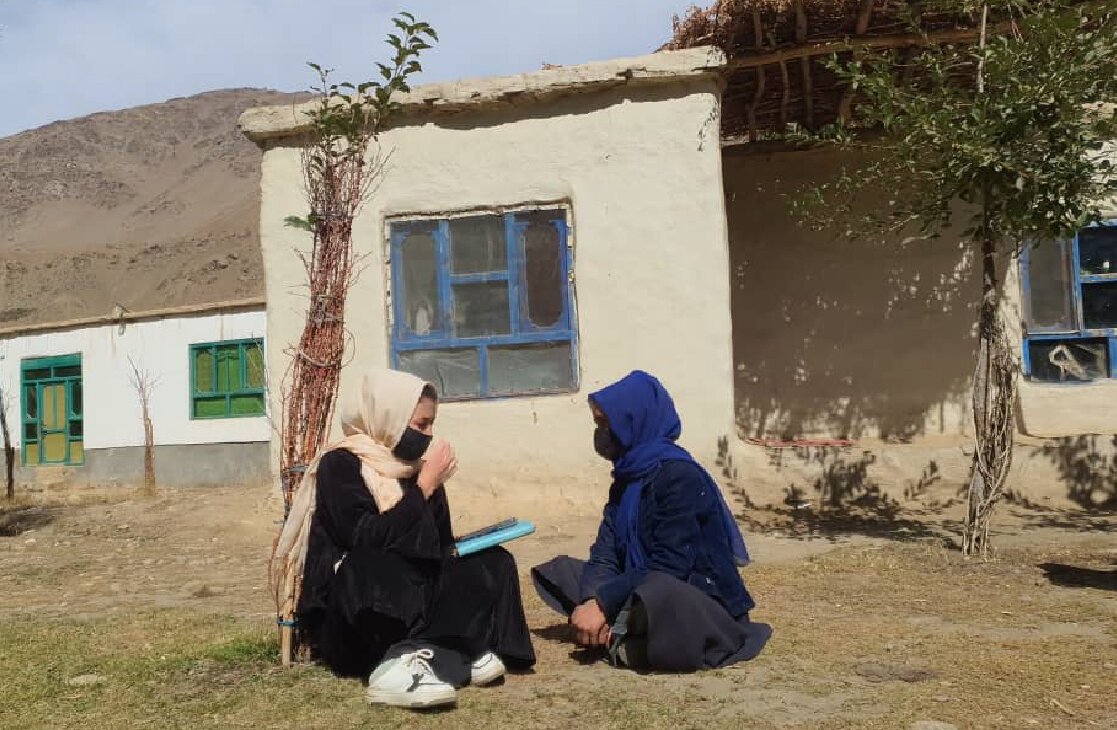
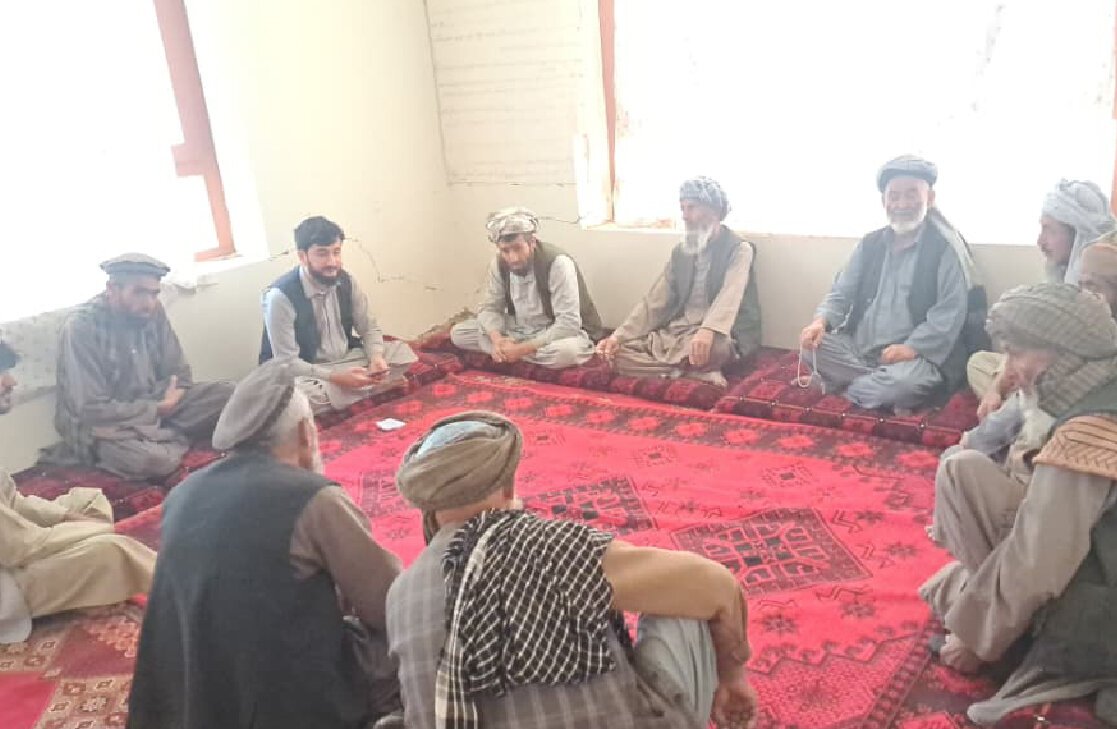
The qualitative component strengthened contextual interpretation through Focus Group Discussions, Key Informant Interviews, and eight provincial case studies. Engagements included community leaders, CBI and NRM committee members, women’s groups, AKF‑A staff, and relevant government stakeholders. This approach enabled triangulation between quantitative findings and lived community experiences.
The evaluation framework was guided by OECD-DAC criteria that is Relevance, Effectiveness, Efficiency, Impact, and Sustainability, integrated with Gender Equality and Social Inclusion (GESI) and Conflict Sensitivity lenses. Multi-layered quality assurance mechanisms included enumerator training, structured supervision, spot and back checks, real-time monitoring dashboards, and statistical validation protocols. All research activities adhered to strict ethical standards, including informed consent, confidentiality safeguards, and secure data storage procedures.
Impact and Significance
The evaluation produced robust evidence demonstrating that OMID contributed to strengthened household resilience, diversified income sources, improved ownership of productive assets, enhanced governance of natural resources, and reduced local conflicts. Functional CBSGs and community institutions showed strong potential for sustainability, while women’s economic participation and engagement in decision-making processes increased meaningfully in several provinces.
These findings provide actionable insights for future resilience-focused programming and inclusive development models in fragile and climate-affected environments. The assignment reinforces Adroit Associates’ capacity to deliver methodologically rigorous, gender-responsive, and context-sensitive evaluations that directly inform donor strategy, institutional strengthening, and long-term development impact.