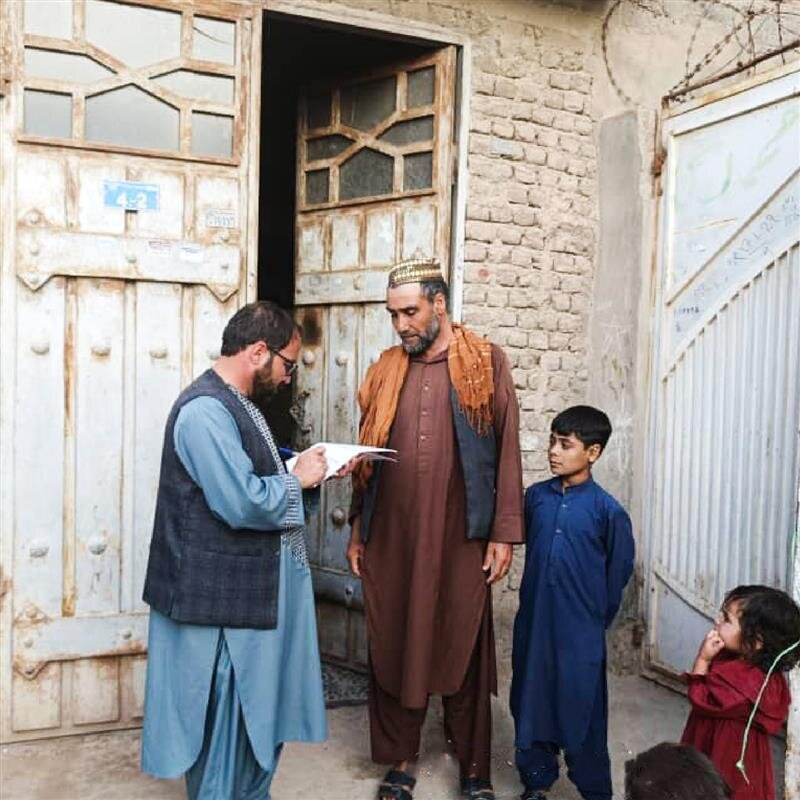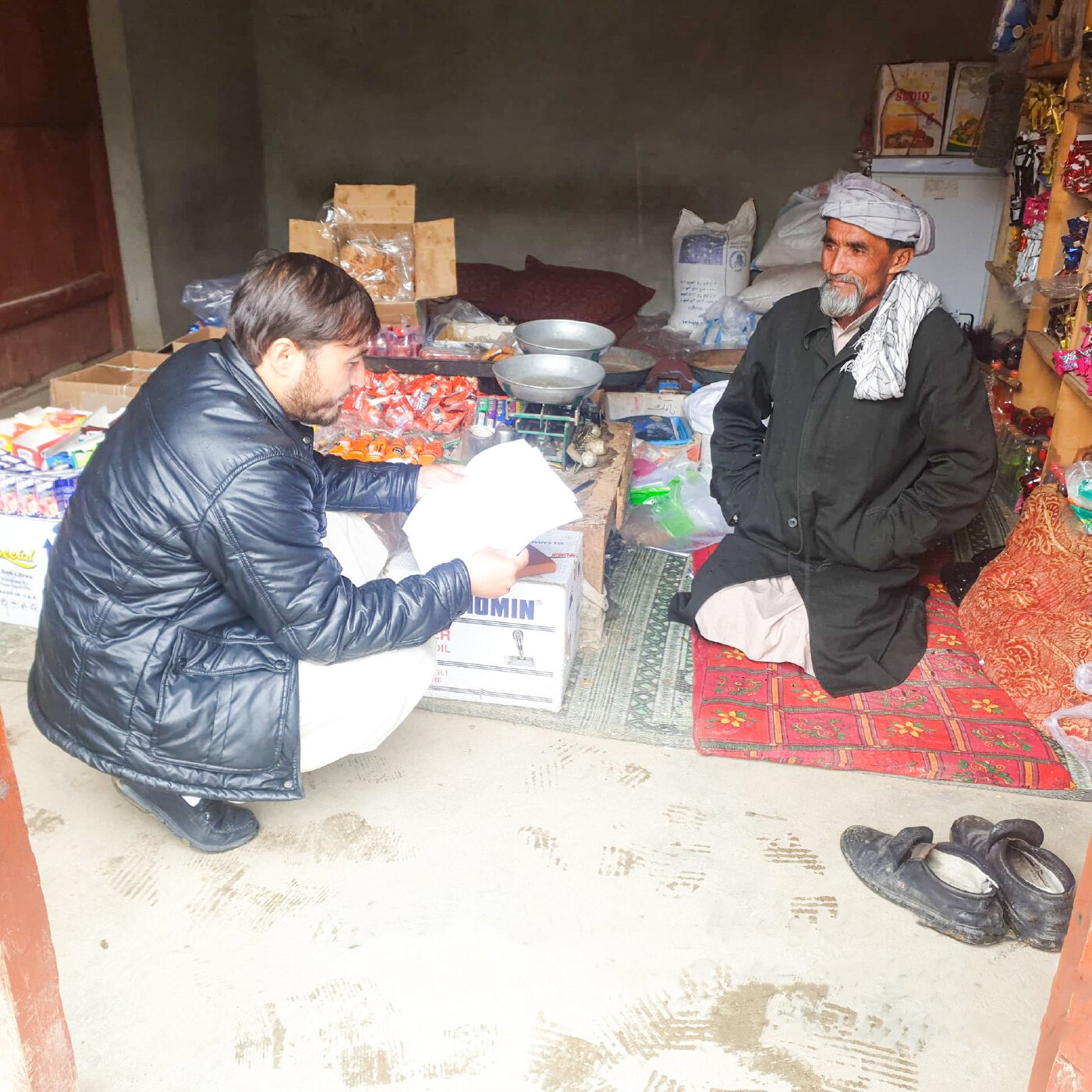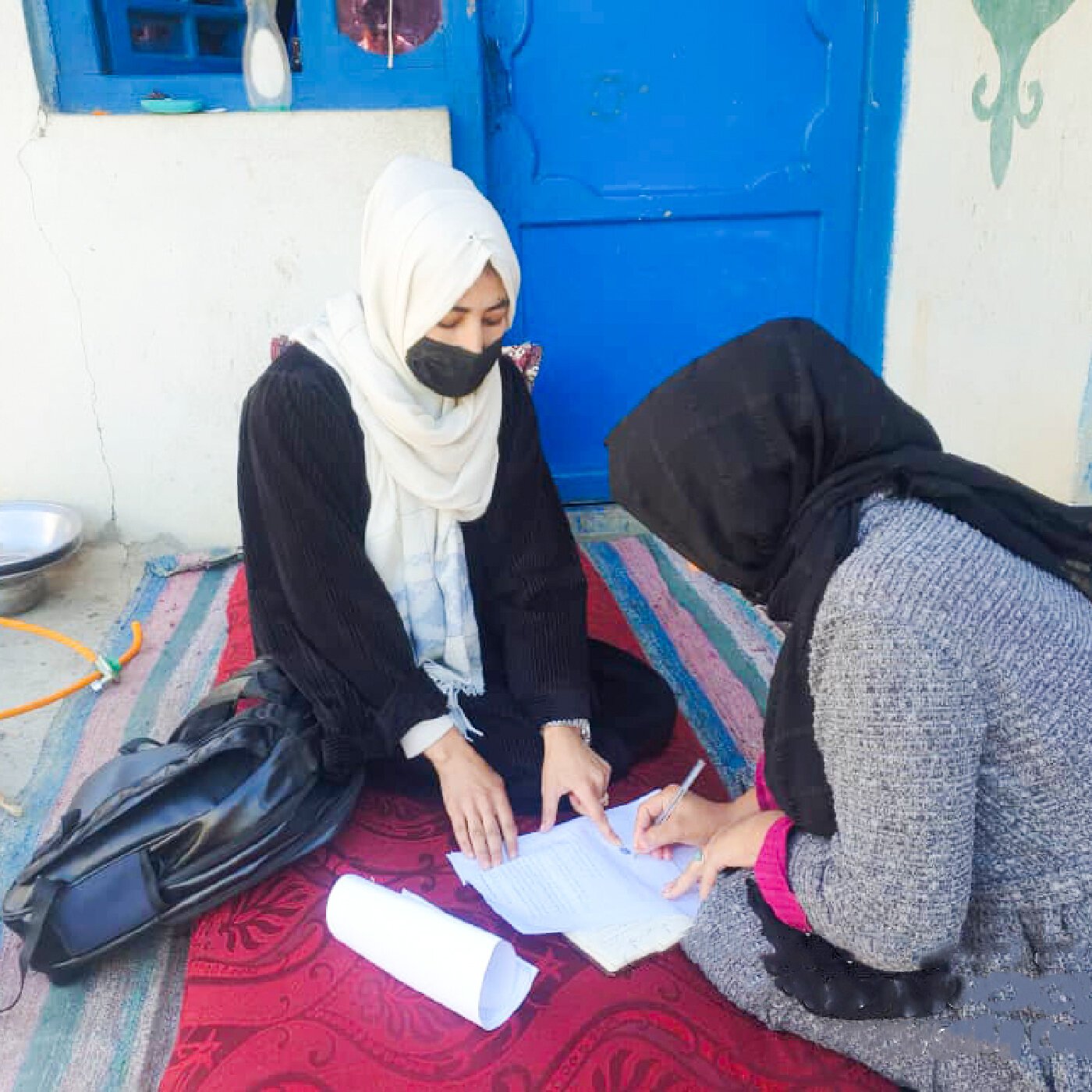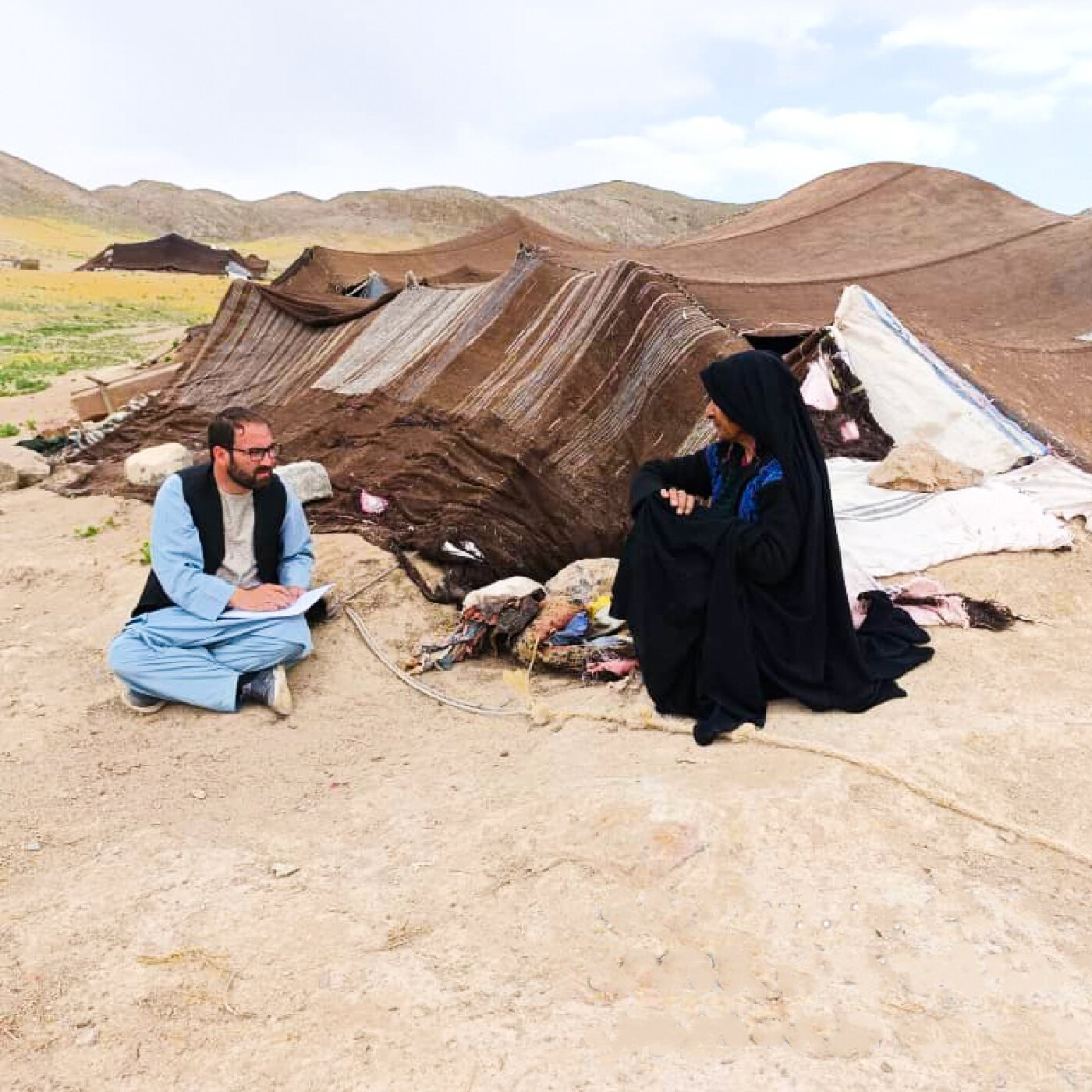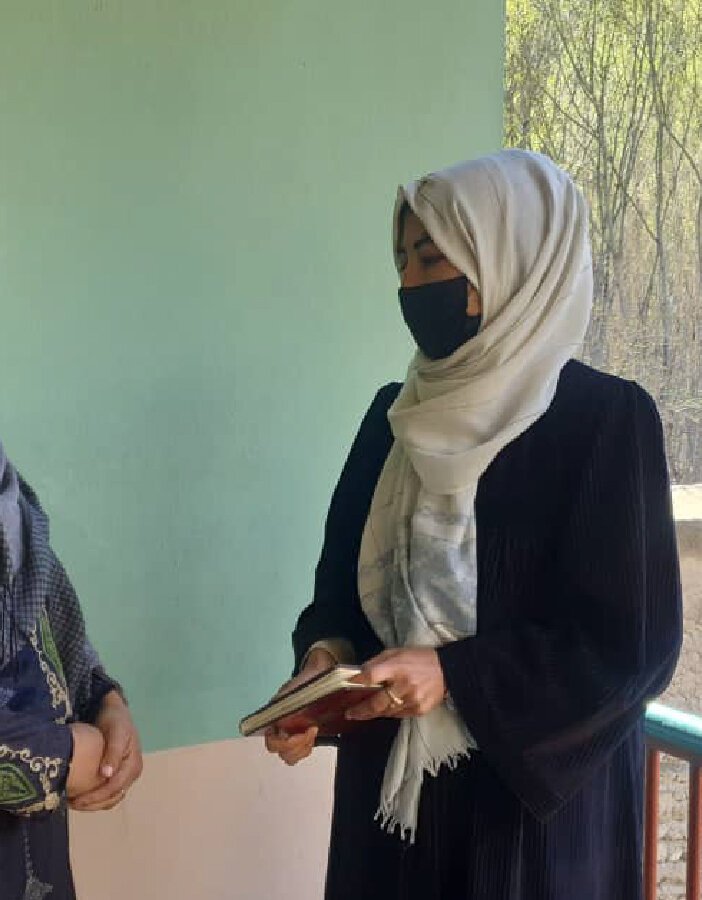
Adroit Associates partnered with BBC Media Action to assess how the Darman radio program and public service announcements are influencing public health knowledge and behaviors in Afghanistan. This large-scale field assessment reached seven provinces, capturing the voices of more than two thousand people, including a targeted booster group of pregnant women and mothers with young children. The findings are guiding future health communication strategies to ensure they remain relevant, trusted, and effective.
Since Afghanistan’s political changes in 2021, audience media habits have shifted significantly. While television remains the most used platform, radio continues to play a vital role, particularly in rural areas and among women, where limited smartphone access and internet connectivity make it a reliable and accessible source of information. In this evolving environment, it is critical to understand how Afghan audiences’ access and engage with health-related content, and how such programming can foster knowledge, influence attitudes, and spark meaningful community conversations.
The Darman radio program and its associated public service announcements are a central part of BBC Media Action’s Driving Action for Well-Being to Avert Mortality (DAWAM) initiative. Produced in both Dari and Pashto, the program addresses maternal and child health, nutrition, and hygiene practices in communities across Afghanistan. This study was commissioned to determine how widely the program is heard, how it is perceived, and the extent to which it influences knowledge, attitudes, and behaviors among its audience.
Adroit Associates implemented a representative, quantitative data collection across seven provinces (Herat, Ghor, Faryab, Badghis, Badakhshan, Daikundi, and Nangarhar), incorporating a dedicated booster sample of 300 pregnant women and mothers with children under three years old. The study not only measured exposure and engagement but also explored how the program sparks conversations within families and communities, promotes behavior change, and reaches audiences in both rural and urban areas.
By combining rigorous methodology with cultural and linguistic sensitivity, the project produced evidence-based insights to inform and strengthen BBC Media Action’s ongoing public health communication efforts in Afghanistan.
Project Goals/Objectives
BBC Media Action’s DAWAM initiative uses radio programming and public service announcements to address pressing public health challenges in Afghanistan, focusing on maternal and child health, nutrition, and hygiene.
This project aimed to:
- Measure Reach: Identify exposure and audience profiles for the Darman program and PSAs, including frequency of listenership, trust levels, and demographic patterns.
- Assess Impact: Evaluate changes in public knowledge, attitudes, and behaviors, and understand how the program encourages dialogue within families and communities.
- Analyze Media Access: Document media usage patterns, challenges in access, and the reach of partner radio and television stations.
Our Approach
Adroit Associates designed and implemented a large-scale, quantitative, face-to-face data collection using Computer-Assisted Personal Interviewing to gather representative insights from seven provinces. The total sample included 2,000 main and a dedicated booster sample of 300 pregnant and breastfeeding women to ensure perspectives from this critical group were fully represented. The study ensured proportional coverage across provinces, balanced gender representation, and inclusion of both rural and urban areas.
The sampling plan used UNOCHA population data for individuals aged 15 and above, with quotas allocated proportionally across the target provinces. Within each province, the sample was further distributed across urban and rural districts using World Bank district-level data. To examine how coverage influenced engagement, communities were segmented by proximity to local radio transmission points, grouped as near, mid-range, and far.
The questionnaire was developed collaboratively around the study objectives, focusing on media access, program reach, audience trust, and behavioral outcomes. It was translated into Dari and Pashto through a two-level review involving internal language specialists and an external subject-matter language expert to ensure accuracy and cultural relevance. The tool was then programmed in KoBo Toolbox for CAPI deployment, with skip logic, validation checks, and structured flows to improve reliability.
Enumerators received joint online training from Adroit Associates and BBC Media Action covering study objectives, ethical protocols, quality assurance procedures, and operation of KoBo Toolbox. Special attention was given to gender-sensitive interviewing for the booster sample. Female enumerators were included in every team, and in conservative areas were accompanied by mahrams where required to ensure access and comfort for respondents.
Within selected communities, households were identified using a systematic approach, starting from a fixed point and selecting every fifth household in areas without complete listings. The Kish Grid method was used within households to randomly select one eligible respondent, ensuring unbiased representation.
A pilot with 100 respondents tested functionality and language clarity and validated skip logic. Feedback from the pilot informed refinements before full-scale deployment. Field data collection operated offline where needed, with uploads to the central KoBo server when connectivity allowed.
In addition, Quality control was built in at multiple levels. Field supervisors conducted 30 percent random back checks and 10 percent spot checks daily. The central team carried out random call-backs to verify interviews. A real-time monitoring dashboard linked to KoBo allowed the technical team to track progress, flag inconsistencies or incomplete records, and provide immediate feedback to field teams. All respondent data was pseudonymized in line with GDPR standards and securely stored on Microsoft Azure with access restricted to authorized personnel only.
Impact and Significance
The study delivered BBC Media Action with credible, representative evidence on how the Darman program is being received and the extent to which it influences health knowledge and behaviors. By mapping audience demographics, listening habits, and thematic resonance, the findings are enabling more targeted, relevant, and effective programming.
This assignment highlights Adroit Associates’ ability to deliver methodologically robust, culturally responsive, and operationally practical research in challenging environments. It demonstrates how local expertise, combined with global best practices, can drive meaningful public health communication and measurable behavior change.