Adroit Associates supported the Afghanistan component of the Food and Agriculture Organization’s global thematic evaluation of its Cash and Voucher Assistance (CVA) portfolio. The assessment examined how cash-based interventions contributed to food security, livelihood enhancement, and the overall well-being of participating communities in Badakhshan and Samangan provinces.
The assessment focused specifically on the relevance, effectiveness, and efficiency of FAO’s CVA interventions. It explored whether assistance responded to household needs, how different cash modalities supported livelihoods and access to essential resources, and what implementation factors influenced results.
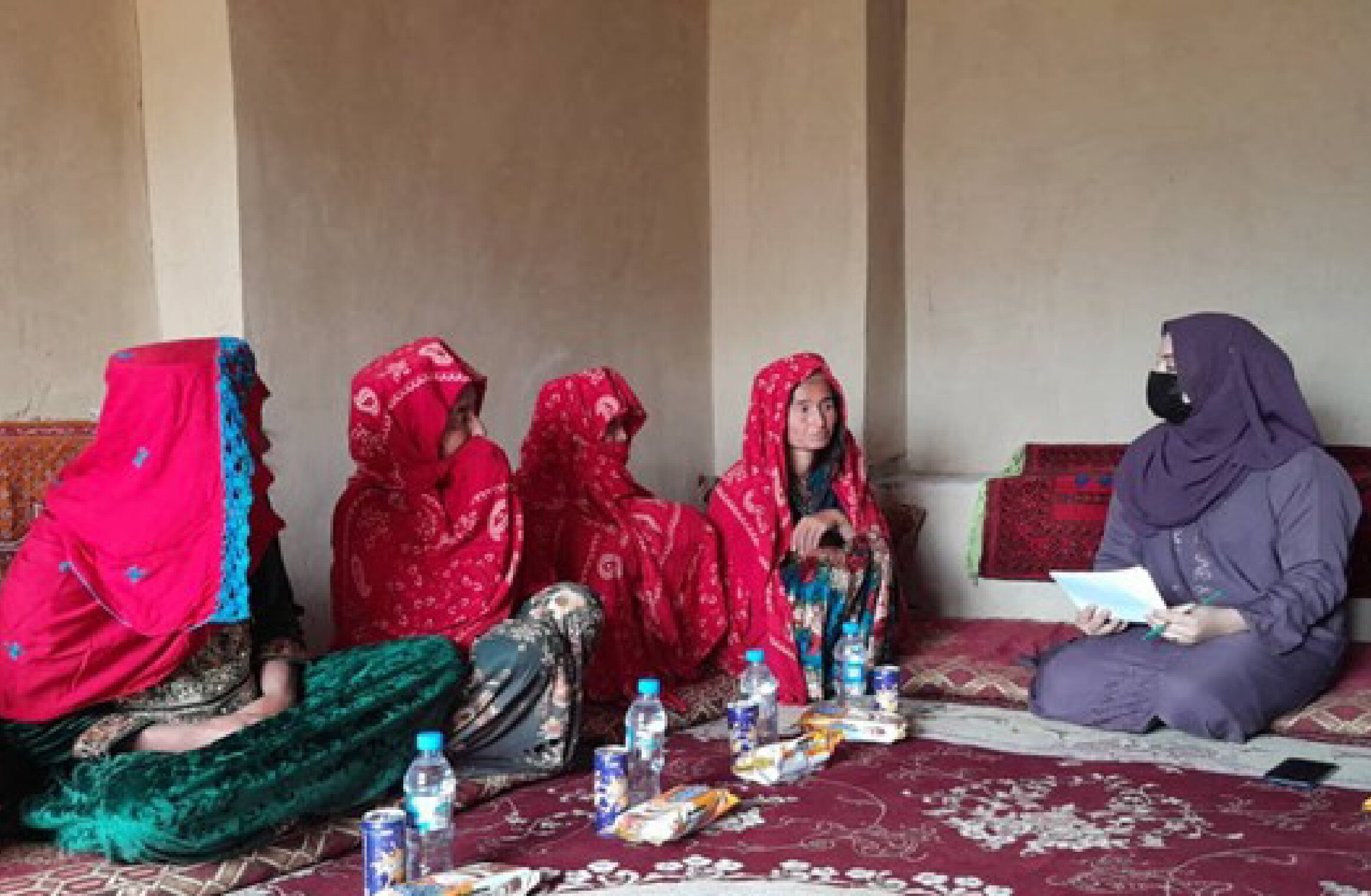
Using a participatory qualitative approach, the assessment gathered evidence directly from project participants through 12 Focus Group Discussions (FGDs) across four districts. The findings contributed to FAO’s broader evidence base for strengthening the design and implementation of future cash and voucher programming.
FAO’s Office of Evaluation undertook a thematic evaluation of its global CVA portfolio to assess the relevance, efficiency, and effectiveness of cash and voucher interventions and identify factors that facilitated or constrained their implementation and results.
The Afghanistan component examined interventions implemented in Jurm and Kishm districts of Badakhshan Province and Hazrat Sultan and Rohi Doab districts of Samangan Province.
The interventions were designed to support participating households through cash-based assistance that could improve access to essential livelihood resources and address priority household needs. The modalities covered by the assessment included Unconditional Cash Transfers (UCT), Cash for Work (CFW), and Cash+ assistance.
The evaluation took a forward-looking and formative approach. Rather than focusing solely on what had been delivered, it examined participants’ experiences with the interventions and generated lessons that could strengthen future policies, programming, and implementation.
Project Objectives
The assessment sought to determine how appropriately FAO’s cash and voucher interventions responded to the specific needs and circumstances of participating households.
Under relevance, the evaluation examined alignment between assistance and household needs, suitability of the support provided, responsiveness to local circumstances, and participants’ involvement in intervention planning and implementation.
Under effectiveness, the assessment explored how the interventions contributed to household food security, livelihoods, access to essential resources, and overall well-being. It also considered the different experiences associated with UCT, CFW, and Cash+ modalities.
The efficiency component examined the practical delivery of assistance, including distribution arrangements, accessibility, coordination and collaboration, and safety considerations associated with Cash for Work activities.
A further objective was to identify external factors affecting intervention outcomes and translate participant experiences into evidence-based recommendations for future CVA programming.
Methodological Approach
Adroit Associates applied a systematic, participatory qualitative research approach centered on Focus Group Discussions with project participants.
A total of 12 FGDs were conducted across Badakhshan and Samangan. Four FGDs were conducted in Badakhshan, including one with women, while eight were conducted in Samangan, also including one with women. Each discussion involved approximately 10 – 12 participants.
Participants were selected using a systematic random sampling approach based on target villages and project locations to capture perspectives from different communities participating in the interventions.
FGDs followed a semi-structured format, allowing researchers to explore emerging issues while maintaining consistent coverage of the evaluation’s principal themes: relevance, effectiveness, efficiency, implementation factors, and lessons for future programming.
Discussions were audio-recorded to support accurate documentation, transcribed, and translated into English for analysis. The qualitative evidence was then organized around the evaluation questions and supported with participant perspectives and examples from the assessed interventions.
Impact and Strategic Significance
The assessment found that FAO’s participatory approach to planning and implementation generally helped align CVA interventions with community priorities. Participants particularly valued assistance that allowed households flexibility in addressing their immediate needs.
Among the modalities assessed, Unconditional Cash Transfers demonstrated particularly strong relevance, with participants reporting that the flexibility of cash allowed them to prioritize expenditure according to household circumstances. Cash for Work also combined temporary income support with community-level benefits arising from implemented activities.
The evaluation found that CVA contributed to addressing household needs and supporting livelihoods, although experiences varied across intervention types and locations. The findings emphasized the importance of assistance quality, appropriate transfer values, accessible distribution arrangements, and continued attention to the sustainability of supported activities.
Coordination between FAO and other stakeholders was generally viewed positively by participants. The assessment also documented the importance of appropriate safety measures and training within Cash for Work activities.
Based on the findings, the report identified several directions for strengthening future interventions, including greater use of local knowledge and innovation, climate resilience considerations, local capacity development, and collaboration across sectors.
Overall, the Afghanistan assessment provided beneficiary-centered evidence for FAO’s wider thematic evaluation, contributing practical lessons for improving the relevance, effectiveness, efficiency, and sustainability of future cash and voucher assistance.