
We leverage evidence and contextual insights to co-design and deliver data-driven, field-proven solutions that strengthen systems and achieve measurable results in complex, high-stakes environments.

Mid-Term Review of ‘Combating Land Degradation and Biodiversity Loss’ Project
for FAO
Mid-Term Review of FAO's ‘Combating Land Degradation and Biodiversity Loss’ project assessed sustainable rangeland management and biodiversity conservation progress. The review provided strategic insights to enhance community engagement and environmental resilience.

Africa, Ethiopia, Kenya
Endline Evaluation of the Anticipatory Humanitarian Action (AHA) / PACIDA Project
Adroit Associates conducted an independent final evaluation of the Anticipatory Humanitarian Action (AHA) project implemented by PACIDA in partnership with Caritas Germany and funded by GFFO. The evaluation assessed the project’s relevance, effectiveness, and efficiency across climate-affected regions of Kenya and Ethiopia, with a strong focus on anticipatory humanitarian action approaches.The study generated robust, evidence-based insights on how early warning–triggered interventions, integrated with livelihood recovery, WASH, and protection programming, contributed to improved well-being, reduced vulnerability, and strengthened resilience among disaster-affected communities.

Asia, Afghanistan
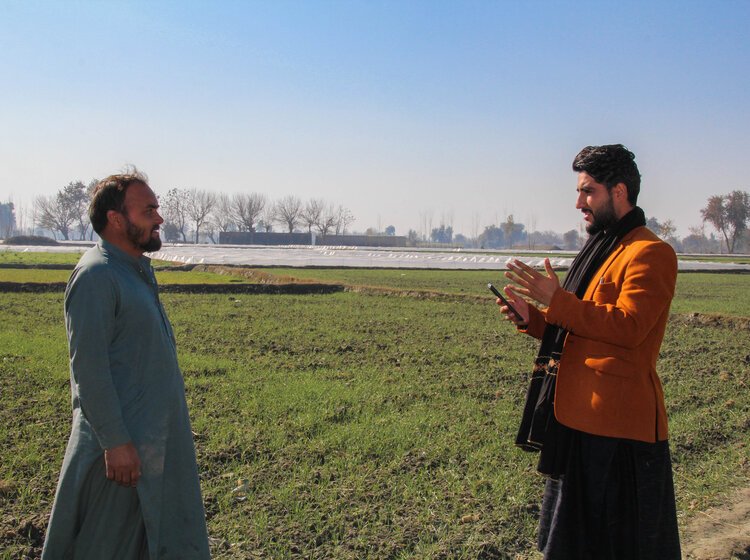
Final Evaluation of the Food Security and Agricultural Sustainability for Livelihoods (FASL) Improvement
for The Aga Khan Foundation
Adroit Associates conducted the Phase I Completion Evaluation of the Food Security and Agricultural Sustainability for Livelihoods Improvement (FASL) Project across seven provinces of Afghanistan. The evaluation examined food security, agricultural livelihoods, community institutions, natural resource management, economic opportunities, resilience, and sustainability using participatory methods and OECD-DAC evaluation criteria.