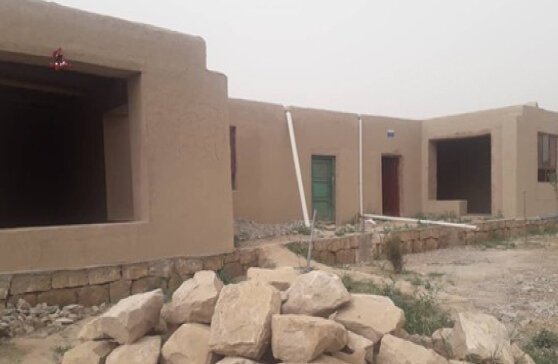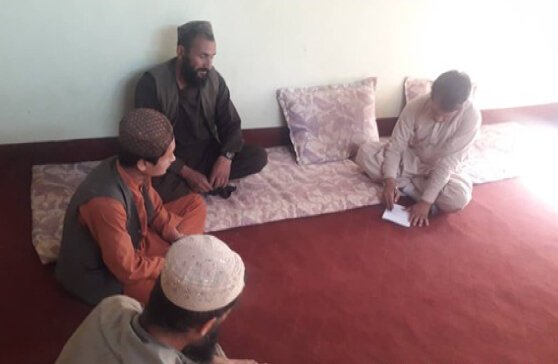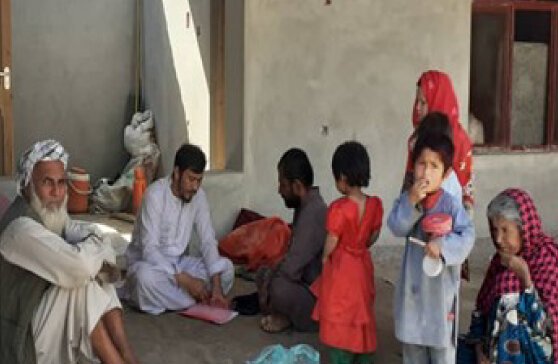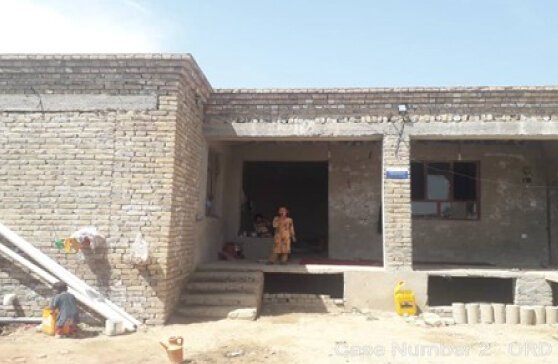
Adroit Associates conducted an independent Third-Party Post-Distribution Monitoring (PDM) assessment for the Organization for Relief Development (ORD) to evaluate the implementation and effectiveness of an emergency transitional shelter project supporting internally displaced persons (IDPs), refugee returnees, and conflict-affected households in Kunduz Province. The assessment independently verified whether humanitarian shelter assistance reached intended beneficiaries, met emergency needs, and complied with humanitarian quality standards.
The project supported the construction and rehabilitation of transitional shelters while providing cash assistance for shelter repair and rental support to vulnerable families. Through independent monitoring, the assessment examined beneficiary satisfaction, appropriateness of assistance, transparency of distribution, accountability mechanisms, and overall project outcomes using internationally recognized monitoring and evaluation approaches.
Years of conflict, displacement, and insecurity have left thousands of Afghan households without adequate shelter. Kunduz Province has experienced repeated waves of displacement, creating significant humanitarian shelter needs among internally displaced persons, refugee returnees, and vulnerable host communities.
Under the Emergency Shelter and Non-Food Items (ESNFI) Cluster, ORD implemented a transitional shelter programme to assist vulnerable families through construction of two-room transitional shelters, shelter rehabilitation, emergency shelter assistance, and cash-based support. The intervention specifically targeted households unable to rebuild due to conflict, economic hardship, disability, female-headed households, and other vulnerability factors.
Adroit Associates was engaged as the independent Third-Party Monitoring partner to verify implementation quality, assess beneficiary experiences, validate project outputs, and provide objective evidence regarding the effectiveness and accountability of the humanitarian response.
Project Objectives
The monitoring assignment was designed to independently assess the implementation and outcomes of ORD’s emergency shelter programme.
The assessment evaluated whether transitional shelter assistance was appropriate, timely, and responsive to beneficiary needs while measuring beneficiary satisfaction with shelter construction, cash assistance, and distribution processes. It also examined the effectiveness of targeting mechanisms, accountability systems, complaint mechanisms, and overall implementation quality across four districts of Kunduz Province.
Additionally, the monitoring exercise documented project outcomes, identified implementation challenges, and generated evidence-based recommendations to strengthen future humanitarian shelter interventions.
Methodological Approach
The assessment adopted a mixed-methods monitoring framework combining quantitative and qualitative data collection techniques to ensure comprehensive verification of project performance.
Primary data collection included structured household surveys with 83 beneficiary households together with six Focus Group Discussions conducted across Kunduz City, Imam Sahib, Khan Abad, and Chahar Dara districts. Qualitative interviews were complemented by field observations and verification of shelter construction quality and distribution processes.
Monitoring activities assessed project performance against internationally recognized evaluation criteria including relevance, coherence, effectiveness, efficiency, and impact. The assessment also reviewed beneficiary targeting, cash utilization, technical training, complaint mechanisms, beneficiary satisfaction, and accountability throughout project implementation.
Independent field teams collected, verified, and triangulated evidence through direct beneficiary engagement, ensuring objective findings and credible reporting to support humanitarian decision-making.
Impact and Strategic Significance
The monitoring assessment confirmed that the project successfully delivered emergency shelter assistance to highly vulnerable conflict-affected households across Kunduz Province. A total of 150 transitional two-room shelters were constructed, benefiting 150 families (approximately 1,050 individuals) while additional support was provided through shelter repair assistance and cash-based interventions.
Monitoring findings demonstrated that the intervention addressed urgent shelter needs for households displaced primarily by conflict. Most beneficiaries intended to remain in their newly supported shelters, reflecting improved housing security and greater stability for displaced families. The assessment also found that beneficiaries generally considered the shelter assistance relevant to their needs and reported satisfaction with both construction materials and cash assistance provided for shelter improvement.
The independent verification further confirmed strong implementation performance in beneficiary targeting, transparency of distributions, and cash utilization. Nearly all beneficiaries used cash assistance for its intended purpose of shelter construction or rehabilitation, while prior notification, technical follow-up, and field presence by implementing staff contributed to effective programme delivery.
The assessment also identified opportunities for strengthening future humanitarian responses, including expanded technical training on shelter construction, improved awareness of complaint mechanisms, and greater investment in community-based institutions to enhance resilience and reduce long-term dependency. These findings provide practical recommendations for improving future emergency shelter programming and humanitarian accountability systems.